
Precision Thrust Bearing: Key to High-Performance Axial Load Systems
News & Updates
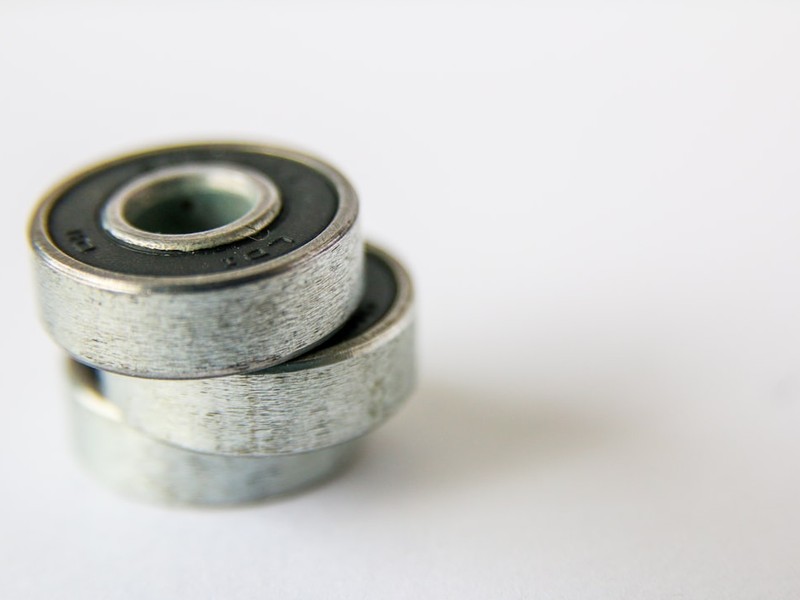
Precision Thrust Bearing: Key to High-Performance Axial Load Systems
Introduction
In modern industrial machinery, managing axial loads with precision is non-negotiable. Whether in machine tool spindles, heavy-duty gearboxes, or aerospace actuators, the ability to handle thrust forces accurately determines equipment reliability and service life. A precision thrust bearing is engineered specifically for this task, offering controlled axial positioning, high stiffness, and low friction under demanding operating conditions.
At FIJ, we specialize in manufacturing precision thrust bearings that meet the rigorous demands of OEMs and maintenance teams alike. This article explores the design principles, types, selection criteria, and application considerations for these critical components, helping you make informed decisions for your next project.
What Is a Precision Thrust Bearing?
A precision thrust bearing is a rolling-element bearing designed to support predominantly axial (thrust) loads while allowing rotation between two components. Unlike radial bearings, which handle loads perpendicular to the shaft, thrust bearings accommodate forces parallel to the shaft axis. They are available in various configurations to suit different load magnitudes, speeds, and alignment requirements.
The term “precision” refers to the manufacturing tolerances and material quality that ensure consistent geometry, minimal runout, and predictable performance. For applications where positioning accuracy and vibration control are critical, such as CNC spindles or precision measuring equipment, a standard bearing simply will not suffice.
Why Precision Matters in Thrust Bearings
When axial loads are high and speeds are moderate, the contact geometry of the bearing becomes the deciding factor in performance. A precision thrust bearing offers several distinct advantages over generic counterparts:
- Reduced friction: Optimized raceway finishes and cage designs minimize heat generation and power loss.
- High stiffness: Tight tolerances and preload options increase the bearing’s resistance to deflection under load.
- Improved accuracy: Lower runout and consistent axial play ensure repeatable positioning in machine tools and robotics.
- Longer service life: Superior materials and heat treatment resist wear and fatigue, reducing downtime.
For engineers, choosing a precision thrust bearing is not just about load capacity—it is about system-level performance and total cost of ownership.
Types of Precision Thrust Bearings
Depending on the application, different rolling elements and contact geometries are used. FIJ offers a comprehensive range of precision thrust bearings, each tailored to specific operational demands.
Thrust Ball Bearings
The thrust ball bearing is the most common type for moderate axial loads and relatively low speeds. It consists of a shaft washer, a housing washer, and a ball-and-cage assembly. Available in single-direction and double-direction configurations, these bearings are easy to install and offer excellent cost-effectiveness for applications like lead screws, rotary tables, and light industrial equipment.
However, thrust ball bearings have limited speed capabilities due to centrifugal forces on the balls. They are ideal for oscillating movements or low-speed rotation where axial positioning is important.
Precision Thrust Angular Contact Ball Bearings
For higher speeds and combined loads, the precision thrust anqular contact ball bearing provides a superior solution. The contact angle between the ball and raceways allows the bearing to handle both axial and some radial loads simultaneously. This design reduces sliding friction and enables higher rotational speeds, making it a favorite for machine tool spindles and high-precision rotary applications.
These bearings are often used in pairs or sets to achieve the required stiffness and load distribution. Their precision-ground raceways ensure minimal vibration and excellent running accuracy.
Thrust Self-Aligning Roller Bearings
When shaft deflection or housing misalignment is a concern, the thrust self-aligning roller bearing is the go-to choice. This bearing features spherical rollers that automatically compensate for angular misalignment between the shaft and housing, preventing edge loading and premature failure. It can accommodate heavy axial loads and moderate radial loads, making it suitable for large gearboxes, crane hooks, and heavy-duty industrial machinery.
The self-aligning capability also simplifies installation and reduces the need for precise housing bores, lowering overall manufacturing costs.
Tandem Thrust Cylindrical Roller Bearings
For extremely high axial loads in a compact space, the tandem thrust cylindrical roller bearing is an excellent option. This design uses multiple rows of cylindrical rollers arranged in tandem, allowing the bearing to carry very high axial loads while maintaining a small cross-section. It is commonly used in rolling mills, press machines, and heavy-duty gearboxes where space is limited but load capacity is paramount.
Tandem arrangements also provide high rigidity, which is critical for maintaining accurate axial positioning under fluctuating loads.
Thrust Cylindrical Roller Bearings
Similarly, the thrust cylindrical roller bearing offers high axial load capacity with low friction. The line contact between rollers and raceways distributes the load over a larger area, reducing stress and enabling higher load ratings than ball-type thrust bearings. These bearings are ideal for applications with constant or intermittent axial loads, such as crane slewing rings, rotary tables, and industrial turntables.
They are available in single and double direction versions, with or without cages, to suit different speed and lubrication conditions.
Selecting the Right Precision Thrust Bearing
Choosing the correct bearing involves evaluating several factors beyond simple load ratings. Here is a practical checklist for engineers and procurement specialists:
- Axial load magnitude: Determine the maximum and dynamic equivalent loads. Roller bearings can handle higher loads than ball bearings of the same size.
- Rotational speed: Ball-type thrust bearings are generally limited to lower speeds; angular contact and cylindrical roller designs are better for high-speed operation.
- Misalignment tolerance: If shaft deflection or housing errors are likely, consider self-aligning roller bearings.
- Space constraints: Tandem cylindrical roller bearings offer high load capacity in a small axial package.
- Lubrication method: Ensure adequate oil or grease supply to the contact surfaces, especially at high speeds or temperatures.
- Mounting and preload: Some applications require preloading to eliminate clearance and increase stiffness. Consult FIJ’s engineering team for guidance.
By systematically reviewing these parameters, you can avoid common pitfalls such as premature wear, overheating, and unexpected downtime.
Application Spotlight: Where Precision Thrust Bearings Excel
The versatility of precision thrust bearings makes them indispensable across many industries. Here are a few representative applications:
Machine Tool Spindles
In CNC lathes and milling machines, the spindle must maintain high rotational accuracy while supporting axial cutting forces. Precision thrust angular contact ball bearings are often paired with radial bearings to achieve the required stiffness and running accuracy, enabling fine surface finishes and tight tolerances.
Heavy-Duty Gearboxes
Large gearboxes in mining, cement, and steel industries experience substantial axial forces from helical gears. Thrust self-aligning roller bearings and tandem cylindrical roller bearings are commonly used to handle these loads while accommodating minor misalignments, ensuring reliable operation in harsh environments.
Rotary Indexing Tables
Automated assembly lines rely on rotary indexing tables for precise positioning. A precision thrust bearing with low friction and high stiffness ensures smooth, repeatable motion, improving throughput and product quality.
Aerospace Actuators
In aircraft control systems, thrust bearings must operate reliably under extreme temperatures and vibration. FIJ’s precision thrust bearings are manufactured from high-grade steels and feature advanced surface treatments to meet aerospace standards.
Maintenance and Lubrication Best Practices
To maximize the lifespan of your precision thrust bearing, proper maintenance is essential. Here are some guidelines:
- Use the correct lubricant: Refer to the bearing’s speed and temperature ratings. Grease is suitable for moderate speeds; oil circulation is better for high-speed or high-temperature applications.
- Monitor operating temperature: A sudden rise in temperature may indicate inadequate lubrication or overloading. Investigate promptly.
- Check for abnormal noise or vibration: These are early signs of wear or contamination. Regular condition monitoring can prevent catastrophic failures.
- Maintain cleanliness: Contaminants such as dust, metal chips, or moisture can drastically reduce bearing life. Use appropriate seals and shields.
- Follow manufacturer’s recommendations: Always adhere to FIJ’s installation and maintenance instructions for optimal performance.
Why Choose FIJ for Precision Thrust Bearings?
FIJ Industrial Technology Limited has established itself as a trusted manufacturer of high-quality bearings for over two decades. Our precision thrust bearings are produced using advanced CNC grinding and lapping technologies, ensuring consistent geometry and surface finish. We offer a broad portfolio, including all the types discussed above, and we can provide custom solutions for unique applications.
Our engineering team works closely with customers to select the optimal bearing configuration, material, and lubrication strategy. We also offer technical support for installation, troubleshooting, and retrofitting existing machinery. When you choose FIJ, you gain a partner dedicated to your operational excellence.
Explore Our Precision Thrust Bearing Range
To learn more about the specific products and technical specifications, visit our Precision thrust bearing category page. There, you will find detailed documentation, load tables, and dimensional drawings for each bearing type. Whether you need a standard item or a custom-engineered solution, FIJ is ready to support your project from concept to commissioning.
Conclusion
A precision thrust bearing is a critical component for any system that must handle axial loads with accuracy and reliability. By understanding the different types—thrust ball, angular contact, self-aligning roller, tandem cylindrical roller, and cylindrical roller—you can select the right bearing for your application. FIJ’s comprehensive range and engineering expertise ensure that you get the best possible performance and value.
Don’t compromise on quality when it comes to load-bearing components. Invest in a precision thrust bearing from FIJ and experience the difference in your machinery’s performance and longevity. Contact us today to discuss your requirements or request a quote.