
CRBC7013UUC2 crossed roller bearing 70×100mm
News & Updates
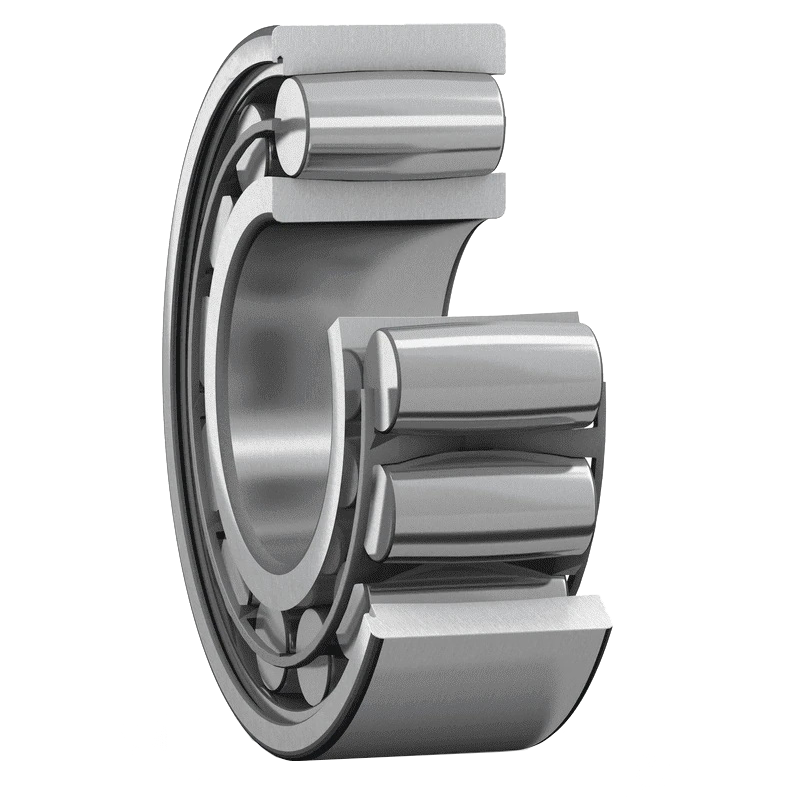
CRBC7013UUC2 crossed roller bearing 70×100mm
A five-axis machining center just finished its final axis calibration when the operator detected micro-vibrations during rapid rotary acceleration. The root cause traced back to inconsistent mounting torque and inadequate preload on the swivel platen. Engineers frequently encounter this exact failure mode when assembling compact rotary stages, indexing tables, or collaborative robotic joints. Resolving the issue requires disciplined handling procedures, precise interference fitting, and controlled lubrication protocols.
At a glance
- Parameter: Value
- Model Number: CRBC7013UUC2
- Inside Diameter: 70 mm
- Outside Diameter: 100 mm
Pre-Installation Inspection and Surface Preparation
Before removing any protective packaging, verify the component against your bill of materials. Foreign particulate matter causes immediate brinelling when axial forces engage. Wipe the outer race and inner ring with lint-free shop towels soaked in light solvent. Allow complete evaporation before proceeding. Housing shoulder radii must remain below the chamfer height of the outer race. Any machining burrs along the shaft seat will create stress concentration points that crack the hardened steel under operational load.
Surface roughness on mating shoulders dictates long-term reliability. Ra values between 0.4 and 0.8 micrometers provide optimal clamping without galling. Use feeler gauges to confirm perpendicularity across the entire mounting face. Even a 0.02 millimeter deviation generates uneven load distribution across the rollers. Keep the workbench free from magnetic shavings or grinding dust.
Precision Press-Fit Procedures for Cylindrical Bores
The cylindrical bore geometry demands careful axial force application. Never drive directly through the outer race or rolling elements. Instead, press exclusively onto the inner ring using a hydraulic arbor or mechanical puller. If dimensional tolerances require significant interference, apply controlled induction heating to expand the inner ring. Maintain internal temperature below eighty degrees Celsius to prevent metallurgical softening. Direct flame or torch heating destroys surface hardness and compromises fatigue life.
Slide the component evenly until it seats firmly against the shoulder. Verify alignment with a dial indicator before locking fasteners. Misalignment exceeding one degree introduces parasitic bending moments that rapidly degrade the cage and guide rails. Once positioned, clean residual anti-corrosion oil from non-contact surfaces before applying threadlocker to mounting hardware.
Establishing Correct Preload and Structural Rigidity
Preload selection governs both stiffness and thermal stability. A lightly preloaded assembly feels smooth during manual rotation but loses positional accuracy under cutting forces. Heavier preload eliminates clearance but elevates operating temperature and accelerates grease degradation. Measure initial friction torque with a digital torque wrench mounted on the drive flange. Target values typically range between two to four newton-meters depending on your machine class.
Adjust preload by altering spacer thickness or modifying flange bolt tension. Torque every fastener in a star pattern to compress the seals uniformly. Uneven compression distorts the circular geometry and restricts free rotation. Recheck angular runout after each adjustment cycle. Document baseline readings to track drift during warranty periods.
Optimal Lubrication Practices for Extended Component Life
Lubricant selection dictates thermal management and seal longevity. Synthetic polyalphaolefin greases outperform lithium complex compounds in high-cycle indexing applications due to lower viscosity shear characteristics. Pack the clearance volume between the inner ring, outer race, and roller ends thoroughly. Overfilling traps heat and forces grease past the contact seals. Underfilling starves the rolling paths and creates abrasive wear debris.
- Clean all old lubricant residue from cavity channels before repacking
- Use a calibrated grease gun set to deliver precise volumetric doses
- Rotate the assembly manually ten full turns to distribute paste evenly
- Wipe excess material from exterior seal lips to prevent foreign adhesion
- Schedule reapplication intervals based on operational hours rather than calendar dates
Operational Monitoring and Reference Speed Constraints
Rotational velocity directly influences frictional heat generation and centrifugal forces on the rollers. Adhere strictly to the established reference speed threshold to maintain stable film thickness. Exceeding recommended limits accelerates cage fatigue and promotes skidding between the rollers and raceways. Install vibration sensors on adjacent support brackets to capture early-stage imbalance signals. Frequency analysis reveals developing defects long before audible noise emerges.
Monitor enclosure temperatures during continuous duty cycles. A steady-state rise above forty-five degrees Celsius indicates inadequate cooling or excessive preload. Implement forced air convection or water-cooled jackets if ambient conditions compromise thermal dissipation. Log peak loads alongside operating duration to forecast replacement windows accurately.
Routine Maintenance and Seal Integrity Preservation
Seal condition determines whether contaminants penetrate the rolling interface. Inspect metal-faced or PTFE labyrinth contacts during scheduled downtime. Scratches, hardening, or compression set on lip surfaces allow moisture ingress and grit accumulation. Replace damaged seals immediately using manufacturer-approved tooling to avoid scratching the outer race bore. Store spacers and retaining rings in clean containers to prevent cross-threading during reassembly.
Maintain a documented inspection checklist that tracks grease appearance, torque decay, and positional repeatability. Color changes toward dark brown indicate oxidized additives and elevated wear metal counts. Magnetic plug inspections on nearby housings help correlate lubrication schedules with actual component health. When sourcing replacements or consulting technical documentation, referencing industry-standard catalogs streamlines part validation. Engineers routinely consult a bearing number reference to decode suffix designations and verify tolerance classes. For broader inventory navigation, explore our Crossed roller bearings category to locate compatible units tailored to specific rigidity requirements. Contact FIJ Bearing for engineering support and bulk procurement.
Technical Specification Reference
| Parameter | Value |
|---|---|
| Model Number | CRBC7013UUC2 |
| Inside Diameter | 70 mm |
| Outside Diameter | 100 mm |
| Width / Thickness | 13 mm |
| Dynamic Load Rating (Radial) | 12300 N |
| Static Load Rating (Radial) | 16700 N |
| Reference Speed | 706 r/min |
| Internal Clearance | C2 |
These parameters define the operational envelope for typical industrial automation tasks. Match housing tolerances and shaft grades to the published ISO standards before committing to purchase orders.
Request a quote from FIJ for precision-machined replacement units or custom preload configurations tailored to your machinery layout.