
Bearings for Railway and Rail Transit: A Complete Guide
News & Updates
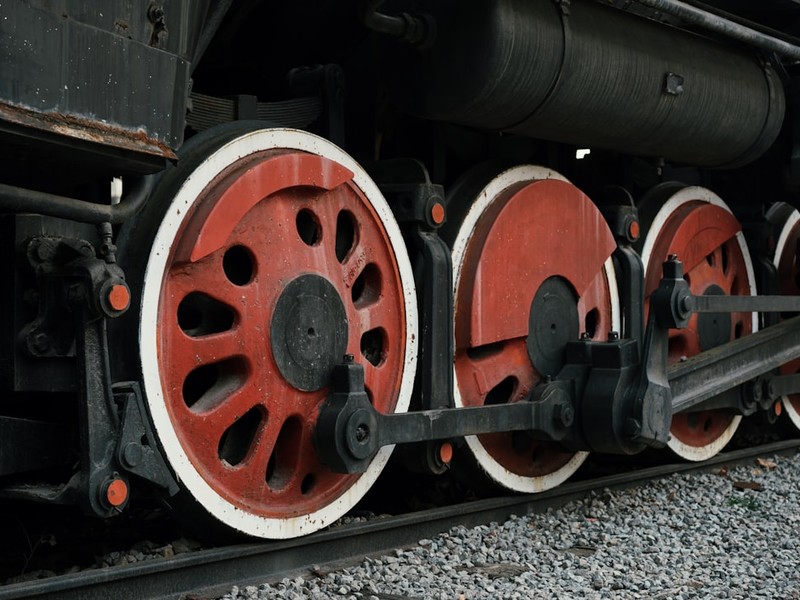
Bearings for Railway and Rail Transit: A Complete Guide
Bearings for Railway and Rail Transit: A Complete Guide
Bearings for railway and rail transit are among the most safety-critical components in any rolling stock fleet. A single axlebox bearing carries the full weight of a loaded wagon or coach while spinning at thousands of revolutions per minute, absorbing track-induced shock, curve-induced lateral loads, and temperature swings that would destroy ordinary industrial bearings within weeks. For engineers and procurement teams, choosing the right bearing is not simply a matter of matching a bore diameter; it requires an understanding of load paths, lubrication regimes, standards, and lifecycle economics across the entire vehicle.
This guide provides a comprehensive introduction to the bearing families used in trains, metros, light rail, and high-speed rail, explains where each type is applied, and outlines the material, testing, and sourcing considerations that determine whether a fleet stays in service or sits in the depot.
Why Railway Bearings Are Different
Railway operating conditions are unusually harsh. Unlike a factory conveyor, a train bearing must survive:
- High static and dynamic loads: axle loads of 20–25 tonnes are typical, with dynamic amplification on poor track.
- Shock and vibration: wheel–rail impacts at crossings and joints generate peak forces many times the static load.
- Wide temperature range: from −40 °C in northern winters to over 80 °C near brake discs and traction motors.
- Contamination: brake dust, water ingress, and de-icing salts attack seals and lubricant.
- Long maintenance intervals: many fleets target 1.2 million km or more between bearing overhauls.
- Regulatory scrutiny: every bearing is traceable, certified, and subject to periodic re-qualification.
These factors push railway bearings toward hardened bearing steels, optimized internal geometry, robust sealing, and documented quality management under standards such as EN 12080 and AAR M-1003. A bearing that performs well in a gearbox may be entirely unsuitable for an axlebox.
Main Bearing Positions on a Rail Vehicle
Rolling stock uses several distinct bearing positions, each with its own load profile and design priorities.
Axlebox (Journal) Bearings
The axlebox bearing is the most recognizable railway bearing. It supports the axle at each end and transmits vertical load from the bogie frame to the wheelset while allowing rotation. Modern fleets overwhelmingly use precision roller bearing designs, particularly tapered roller bearings and cylindrical roller bearings in compact cartridge units.
Tapered roller bearings handle combined radial and axial loads, which suits the lateral forces generated in curves. Cylindrical roller bearings offer higher radial capacity and lower friction, and are often paired with a separate thrust element. Sealed, pre-greased cartridge units have largely replaced open, oil-bath axleboxes because they simplify maintenance and reduce contamination risk.
Traction Motor Bearings
Traction motors spin at high speed and experience electrical erosion when stray currents pass through the bearing. Insulated or hybrid ceramic bearings are frequently specified to break the electrical circuit. These bearings must also tolerate vibration from the gear mesh and rapid thermal cycling. High-precision precision ball bearing and cylindrical roller bearing variants are common here.
Gearbox and Transmission Bearings
The traction gearbox converts motor speed into wheel torque. Bearings in this position see high radial loads, axial loads from helical gearing, and oil-lubricated operation. Cylindrical, tapered, and spherical roller bearings are all used, selected according to the gear layout and lubrication system.
Wheelset and Bogie Auxiliary Bearings
Bogies contain additional bearing positions for brake rigging, suspension links, and articulation joints. These smaller bearings are often neglected in maintenance planning but contribute significantly to ride quality and bogie reliability.
Slewing Bearings for Special Rail Equipment
Not every railway bearing rotates at speed. Track maintenance machines, rail cranes, tampers, and turntables rely on slow-rotating, high-load precision slewing bearing assemblies to position booms, cabins, and lifting equipment. These bearings must withstand heavy axial, radial, and tilting-moment loads simultaneously, often in dusty track-side environments.
Bearing Types and Their Railway Applications
- Tapered roller bearings: axleboxes, gearboxes, and wheelset applications requiring combined load capacity.
- Cylindrical roller bearings: axleboxes, traction motors, and gearboxes where high radial load and speed capability matter.
- Spherical roller bearings: gearboxes and auxiliary equipment where misalignment must be accommodated.
- Deep groove ball bearings: traction motors, auxiliary machines, and low-load rotating components.
- Angular contact ball bearings: high-speed motor and transmission positions with axial load.
- Slewing bearings: cranes, maintenance machinery, and rotating platforms.
- Insulated and hybrid bearings: traction motors exposed to stray current.
The correct choice depends on load magnitude and direction, speed, lubrication method, mounting arrangement, and the maintenance strategy of the operator.
Materials, Heat Treatment, and Sealing
Railway bearings are typically manufactured from through-hardened or case-carburizing bearing steels such as 100Cr6 (SAE 52100) and case-hardening grades for shock resistance. Clean steel practice, controlled forging, and precise heat treatment determine fatigue life and dimensional stability.
Sealing is equally important. Axlebox bearings commonly use labyrinth seals, contact lip seals, or combined systems to exclude water and debris while retaining grease. Seal design directly influences friction, temperature, and relubrication intervals. For high-speed applications, low-friction seal geometries and optimized grease fill volumes help keep operating temperatures within limits.
Cages are usually machined brass, steel, or polymer depending on speed and temperature. Surface treatments and coatings can further improve corrosion resistance for coastal or tunnel operations.
Standards, Testing, and Quality Assurance
Railway bearing procurement is governed by a dense framework of standards and approvals. EN 12080 defines the requirements for axlebox bearings in European rail applications, covering design, materials, manufacturing, and testing. AAR M-1003 and related AAR specifications apply in North America. IRIS (ISO/TS 22163) certification is widely required for railway suppliers.
Typical qualification testing includes:
- Dimensional and geometric accuracy checks.
- Material composition and hardness verification.
- Raceway and surface integrity inspection.
- Grease and seal performance testing.
- Endurance and shock-load rig testing.
- Traceability documentation from steel melt to finished bearing.
For buyers, the practical implication is that a credible railway bearing supplier must provide full documentation, not just a product. Certificates of conformity, test reports, and batch traceability are standard expectations during audits.
Selection and Sourcing Checklist for Engineers
When specifying bearings for railway and rail transit projects, work through the following questions:
- What are the radial, axial, and moment loads, including shock factors?
- What is the maximum rotational speed and expected duty cycle?
- What lubrication method and relubrication interval are feasible?
- What sealing level is required for the operating environment?
- Is electrical insulation needed for traction motor positions?
- Which standards and approvals must the bearing carry?
- What is the target service life and overhaul interval?
- Can the supplier provide traceability, test data, and after-sales support?
Early engagement with the bearing manufacturer often reveals opportunities to reduce weight, extend grease life, or simplify the axlebox assembly. At FIJ, engineers work with rolling stock builders and operators to match bearing geometry, material, and sealing to the specific duty cycle of each fleet.
Maintenance and Lifecycle Considerations
Even the best bearing will fail prematurely if mounting, lubrication, or condition monitoring is neglected. Key practices include:
- Controlled mounting with correct interference fits and no raceway damage.
- Clean grease handling and verified fill quantities.
- Vibration and temperature monitoring for early fault detection.
- Scheduled re-greasing or sealed-for-life replacement strategies.
- Root-cause analysis of every removed bearing to feed back into specification.
Lifecycle cost, not unit price, should drive procurement decisions. A bearing that lasts 30 percent longer between overhauls can outweigh a significant purchase-price difference when depot time, labor, and service disruption are included.
Conclusion
Bearings for railway and rail transit sit at the intersection of mechanical engineering, materials science, and safety regulation. From axlebox cartridges supporting 25-tonne axle loads to insulated traction motor bearings and slewing rings on maintenance cranes, each position demands a purpose-built solution. Engineers who understand load paths, sealing, lubrication, and standards can specify bearings that deliver reliable, predictable service life across decades of operation.
As rail networks expand and existing fleets are modernized, demand for high-quality, fully traceable railway bearings will continue to grow. Partnering with an experienced manufacturer from the specification stage onward is the most effective way to keep trains moving safely and economically.