
DS209TTR8 Agricultural Bearing 1.125×3.3465mm Guide
News & Updates
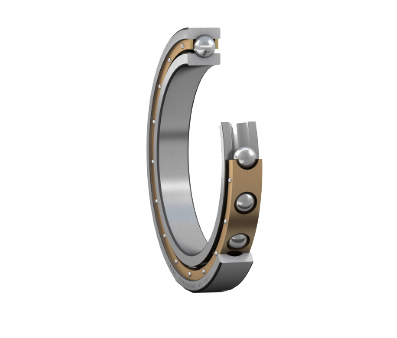
DS209TTR8 Agricultural Bearing 1.125×3.3465mm Guide
A planter axle that shakes at field speed can ruin a bearing long before its static load rating is reached. The usual chain is gritty: dust enters the seal, a slightly misaligned housing adds side load, grease migrates away from the rolling elements, and vibration turns a small clearance issue into a scored race. The DS209TTR8 agricultural bearing is built for that working environment. Its 1.125 inch bore, 3.3465 inch outside diameter, and 1.4375 inch width suit common inch-series agricultural hardware where alignment, sealing, and service access matter as much as raw capacity.
At a glance
- Model number: DS209TTR8
- Bearing type: Agricultural bearings
- Inside diameter (d): 1.125 inch
- Outside diameter (D): 3.3465 inch
Start With the DS209TTR8 Fit Window
Before any grease or torque wrench appears, confirm that the shaft and housing match the bearing envelope. A 1.125 inch bore leaves little room for a raised burr or dried paint; a 3.3465 inch outside diameter needs a clean, round housing bore. The 1.4375 inch width also affects shoulder contact and seal clearance, especially when a replacement is being fitted into a worn hub. Check the Agricultural bearings category if you are comparing similar inch-size units.
| Model number | DS209TTR8 |
|---|---|
| Bearing type | Agricultural bearings |
| Inside diameter (d) | 1.125 inch |
| Outside diameter (D) | 3.3465 inch |
| Thickness / width (B) | 1.4375 inch |
| Boundary dimensions (d × D × B) | 1.125 × 3.3465 × 1.4375 inch |
The table is short because the critical numbers are short: bore, outside diameter, width. Everything else in the installation should support those three dimensions rather than force them.
Installation: Control the Press, Not Just the Torque
Agricultural bearings often fail from mounting damage that is invisible at first. Do not drive on the outer ring when fitting to a shaft, and do not press on the inner ring when fitting into a housing. Apply mounting force to the ring that is being seated. Keep the shaft and housing clean, deburr any nicks, and check the dry fit before adding lubricant or locking hardware. If the bearing must be tapped, use a soft drift and work around the ring evenly; a single heavy blow can brinell the raceways.
Alignment deserves the same attention. Shims, clean mounting faces, and a straight edge or dial indicator are faster than guessing. After mounting, rotate the shaft by hand. A rough spot, a tight quadrant, or a wobble in the housing points to a cocked ring or a damaged seal. Fix it before the machine runs under load.
Lubrication: Clean, Compatible, and Measured
Grease is not a filler; it is a seal, a corrosion barrier, and a load path between rolling elements. Use a grease that is compatible with the existing thickener and with the operating temperature. If the old grease is unknown, remove as much as practical and start with a known product rather than mixing two chemistries. For high-dust work, shorter intervals with small amounts usually beat one large charge at the end of the season.
Overgreasing can be as damaging as undergreasing. Excess grease can lift seals, trap grit, and raise running temperature. Add grease slowly while the shaft turns, stop when fresh grease appears at the purge point, and wipe away the discharge. After washdown or a wet field day, re-grease only after the housing has dried; water pushed past a seal is harder to remove than dust.
Preload and Clearance: Avoid the ‘Tighten Until It Feels Right’ Trap
The DS209TTR8 is an agricultural bearing, not a high-speed spindle. Adding axial preload to cure a noise or a loose housing usually moves the problem to the raceways. Set clearance according to the housing or equipment manufacturer, and use shims or spacers to control axial position rather than tightening locking hardware beyond its specified torque. If no specification is available, aim for free rotation with no detectable end play under hand force, then verify temperature at low speed.
On DS209TTR8 assemblies, a simple running check tells you a lot: run the machine unloaded for several minutes, stop it, and feel the housing. A warm housing is normal; a hot spot, a rhythmic vibration, or grease weeping past the seal is not. Use a dial indicator to check shaft end play and housing runout if the complaint returns.
Field Maintenance: Inspect Early, Replace Before the Shaft Suffers
A bearing that is caught early is a cheap replacement. A bearing that has spun on the shaft is a repair job. Build a short inspection route around sound, heat, and contamination rather than waiting for a breakdown.
- Listen for grinding or chirping at slow rotation; compare with the opposite side.
- Check housing bolts and locking hardware for movement before greasing.
- Inspect seals for cuts, hardening, and packed dirt; clean the area before opening anything.
- Record grease amount, date, and running temperature so trends are visible.
- Replace the bearing if the bore is polished, the seal is torn, or the raceway feels rough through the housing.
When ordering a spare, use the bearing number reference to cross-check the model and suffix rather than relying on a dimension-only match. The DS209TTR8 number should be recorded with the machine serial so a future service call does not depend on memory.
Storage and Spare-Part Planning for Agricultural Duty
Store bearings in their original packaging, flat, and away from floor moisture and direct sunlight. Rotate stock first in, first out; an aged bearing with hardened grease is not a bargain. Keep one spare per critical axle or module, plus a seal kit if the housing design uses separate seals. For repeat maintenance, standardize grease, torque values, and inspection intervals across similar machines.
FIJ Bearing supplies agricultural bearings for this kind of planned maintenance, and the DS209TTR8 can be quoted with your required quantity and delivery window. If you need a fast replacement or a seasonal stock plan, Request a quote from FIJ with the model, dimensions, and application details.