
NF2312EA cylindrical roller bearing 60×130mm
News & Updates
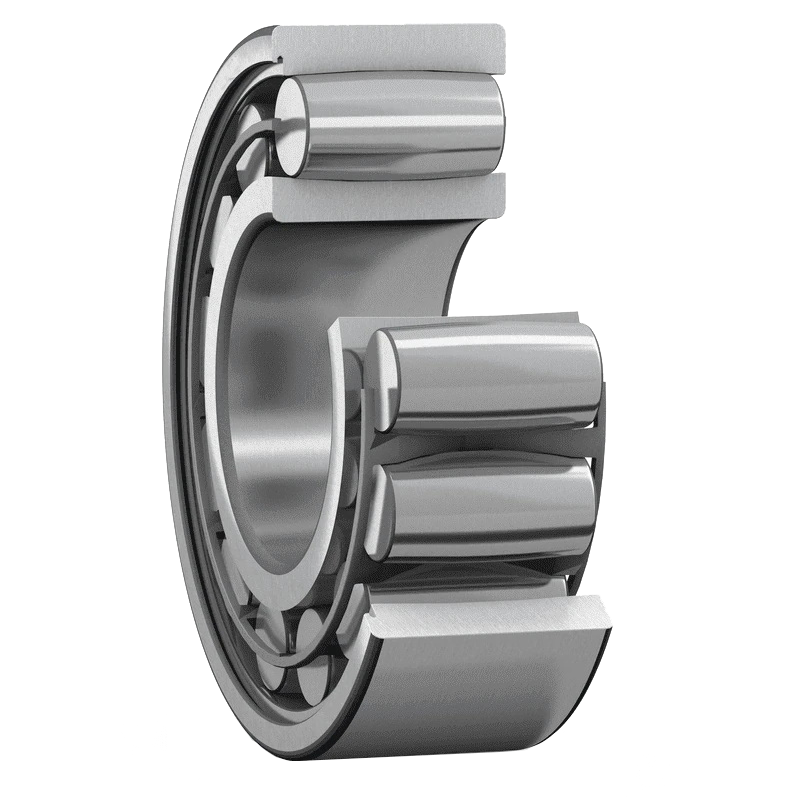
NF2312EA cylindrical roller bearing 60×130mm
Start with the numbers that shape the fit
The NF2312EA is a 60×130×46 mm single row cylindrical roller bearing with a resin cage, a 60 mm cylindrical bore, 130 mm outside diameter and 46 mm width. In practice, those three dimensions define the shaft seat, housing bore and axial space long before any performance calculation begins.
At a glance
- Parameter: Value
- Bearing number: NF2312EA
- Design: Single row cylindrical roller bearing, NF design
- Bore (d): 60 mm
The 60 mm bore sets the shaft journal size; the 130 mm outside diameter controls housing wall thickness and heat path; the 46 mm width affects shoulder spacing and oil flow. The load figures matter just as much: 263000 N dynamic radial and 262000 N static radial mean the bearing is intended for high radial loads, not for axial location. With a reference speed of 4400 r/min and a limiting speed of 6200 r/min, the NF2312EA suits moderate-speed industrial duty when lubrication and clearance are set correctly.
| Parameter | Value |
|---|---|
| Bearing number | NF2312EA |
| Design | Single row cylindrical roller bearing, NF design |
| Bore (d) | 60 mm |
| Outside diameter (D) | 130 mm |
| Width (B) | 46 mm |
| Basic dynamic load rating, radial (Cr) | 263000 N |
| Basic static load rating, radial (Cor) | 262000 N |
| Reference speed | 4400 r/min |
| Limiting speed | 6200 r/min |
| Cage | Resin cage |
Because this is an NF design, the outer ring has one rib and the inner ring has two ribs, so the bearing can take limited axial displacement in one direction while carrying radial load. Treat that as a locating aid, not a general thrust capability.
Check the shaft and housing before installation
Installation starts at the bench, not at the press. Clean the shaft journal and housing bore, remove burrs and check shoulder squareness. A 60 mm journal that is undersized or tapered will let the inner ring creep; an oversized housing will allow outer-ring movement and poor heat transfer.
Measure the shaft and housing across two planes, then compare with the bearing envelope. The NF2312EA should slide or press according to the fit class chosen for the load direction. For rotating inner-ring loads, a light interference fit on the shaft is normal; for stationary outer-ring loads, the housing fit can be slightly looser but must still prevent fretting. Do not force a bearing over a damaged journal; polish first, re-measure, then fit.
Fit the bearing without disturbing the resin cage
Press only on the ring with the interference fit. For a shaft fit, apply force to the inner ring; for a housing fit, apply force to the outer ring. Never transmit mounting force through the rollers or the resin cage. A resin cage is tough in service but it is not a press tool.
If heat is needed, use an induction heater or clean oil bath and keep the temperature controlled, typically below 120 °C for this type of bearing unless the seal or grease kit states otherwise. Heat the bearing evenly, fit it quickly, and hold it against the shoulder until it cools. After mounting, rotate the shaft by hand and listen for rubbing, then check that the rollers and cage move freely. Record the mounting force or temperature if the application is safety-related.
Lubrication: choose the method before the grease
Lubrication choice follows speed, temperature and contamination, not habit. At 4400 r/min reference speed, grease can be practical for many enclosed units; oil circulation or oil-air may be better when heat must be carried away or when the limiting speed of 6200 r/min is approached. Use a lubricant with good oxidation stability and a base oil viscosity matched to the operating temperature.
Fill grease cavities to the correct percentage—overfilling a cylindrical roller bearing can churn grease, raise temperature and push the cage harder. For oil, confirm flow reaches the roller path and that drain holes are not blocked. Keep grease compatible with the factory fill; mixing incompatible thickeners can soften or harden the lubricant. After relubrication, run the machine and check temperature stabilisation.
Preload, clearance and running checks
Cylindrical roller bearings are generally set with a small operating clearance rather than heavy preload. The NF design can accommodate limited axial displacement, so do not clamp it as if it were an angular contact pair. Check axial end play and radial clearance after the housing is tightened, because bolting can distort the outer ring.
Run a no-load check first: listen for cage noise, measure housing temperature and confirm the shaft turns without tight spots. Then apply load in steps and watch for temperature rise. If the bearing runs hot, check lubricant quantity, alignment and clearance before changing preload. For the NF2312EA, the target is stable running with the rollers guiding the shaft, not a forced preload that shortens life.
Maintenance and replacement signals
Maintenance should track condition, not only calendar hours. Check grease condition, vibration, temperature and axial play. A sudden rise in vibration at the bearing housing, dark grease or a change in running temperature can indicate roller or raceway distress. Inspect the resin cage for cracks, deformation or rubbed pockets during planned shutdowns.
When replacing the bearing, verify the bearing number and dimensions against the bearing number reference and review the Single row cylindrical roller bearings category for compatible options. The 60×130×46 mm envelope and the 263000 N / 262000 N ratings should match the original specification unless the application has been re-engineered. FIJ Bearing can supply the NF2312EA and discuss fit, lubrication and inspection intervals for your duty.
Request a quote from FIJ with your quantity, fit class and lubrication preference, and include the operating speed and load so the bearing can be checked against the application.