
Automated Roller Sorting Systems for Precision Bearings
News & Updates
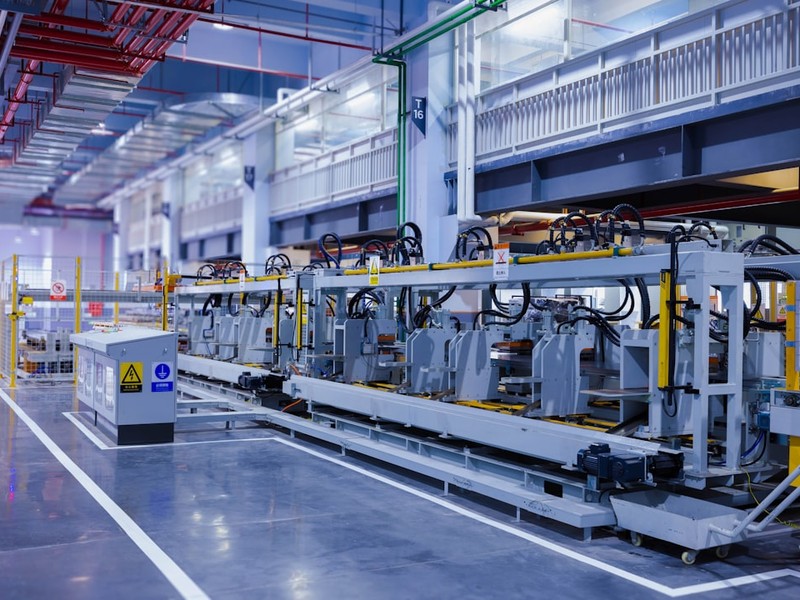
Automated Roller Sorting Systems for Precision Bearings
Modernizing Component Classification in Bearing Manufacturing
Modern rolling element bearing production requires sophisticated material handling and quality assurance strategies. Recent machinery developments highlight a specialized gravitational sorting apparatus designed specifically for roller classification. This innovation represents a decisive shift away from traditional vibratory feeders and manual sieving methods, directly addressing long-standing bottlenecks in high-volume component processing. As manufacturing facilities push toward tighter tolerances and faster cycle times, the integration of purpose-built screening hardware becomes essential for maintaining consistent output.
Core Architecture and Functional Design
The mechanical framework of this sorting unit relies on a robust structural foundation paired with a multi-stage discharge system. Key operational modules include a primary support chassis, a calibrated release mechanism, auxiliary separation guides, and reinforced mounting brackets. Engineering specifications indicate the presence of multiple control interfaces positioned along the housing perimeter, allowing operators to adjust flow rates and monitoring thresholds without interrupting the operational cycle. Producers supplying precision roller bearing assemblies recognize that maintaining strict dimensional consistency across mixed batches is critical to preventing premature fatigue failures in final applications.
Central to the design is a dedicated sorting chamber featuring strategically placed vertical baffle plates and tiered screening meshes. These internal partitions create distinct zones where particle dynamics remain highly predictable under gravitational pull. The base section incorporates a dedicated collection chute equipped with quick-release latches, facilitating rapid emptying and minimizing downtime between batch transitions. When evaluating complementary solutions for precision slewing bearing components, manufacturers consistently prioritize equipment that balances heavy-duty durability with precise volumetric control.
Gravitational Screening Workflow
The operational sequence begins with the controlled introduction of ungraded roller elements into the upper receiving hopper. Once released, the components enter the primary separation column where they encounter a series of progressively finer mesh stages. Due to differences in diameter and mass distribution, oversized cylinders immediately contact the first graded screen and are routed to a designated overflow channel. Medium-sized elements bypass the initial barrier but interact with secondary grids further down the column.
Smaller rollers continue cascading through subsequent tiers until they reach the lowest collection zone. This staged descent ensures that each size category follows a predetermined trajectory, effectively eliminating cross-contamination between grade levels. The absence of active mechanical agitation reduces surface scoring risks, preserving the hardened finish of heat-treated components. Such passive sorting methodologies prove particularly valuable when processing specialized geometries found in deep groove ball bearing subassemblies or tapered roller configurations.
Operational Advantages for Production Facilities
Implementing this automated classification architecture delivers measurable improvements across several key performance indicators:
- Dimensional Accuracy: Tiered mesh segregation maintains strict tolerance bands, reducing post-process rework requirements and improving overall yield rates.
- Labor Optimization: Automating the grading sequence eliminates repetitive manual inspection tasks, reallocating skilled technicians to higher-value machining and quality verification duties.
- Throughput Consistency: Continuous gravity-fed operation sustains steady material flow without the vibration-induced fluctuations common in mechanical sieves.
- Maintenance Simplicity: Modular baffle arrangements and accessible collection chutes streamline cleaning protocols and extend interval times between scheduled service cycles.
As global supply chains increasingly demand standardized component specifications, deploying intelligent sorting infrastructure becomes a strategic imperative rather than an optional upgrade. Engineers designing next-generation processing stations should consider how passive gravitational mechanisms align with Industry 4.0 data tracking initiatives, enabling real-time correlation between sort ratios and upstream grinding outputs. For comprehensive technical resources and engineered component solutions, visit FIJ to access our full catalog of industrial-grade bearing products.