
Precision Cylindrical Roller Bearing: Design, Types & Industrial Applications
News & Updates
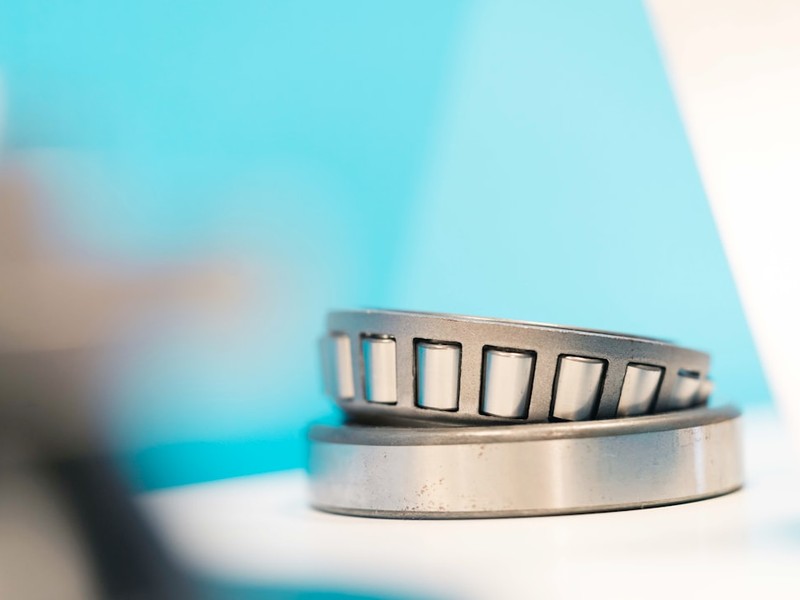
Precision Cylindrical Roller Bearing: Design, Types & Industrial Applications
Introduction
In the demanding world of industrial machinery, the precision cylindrical roller bearing is a cornerstone component, engineered to handle substantial radial loads while maintaining exceptional rotational accuracy. Unlike ball bearings, which rely on point contact, cylindrical roller bearings utilize line contact between the rollers and raceways. This fundamental design difference translates into a significantly higher load-carrying capacity, making them indispensable in applications ranging from heavy-duty gearboxes to high-speed machine tool spindles. For engineers and procurement specialists seeking reliability and performance, understanding the nuances of these bearings is crucial. This article from FIJ provides an in-depth look at the design, variants, and applications of the precision cylindrical roller bearing.
Understanding the Precision Cylindrical Roller Bearing
A precision cylindrical roller bearing is characterized by its use of cylindrical rollers as the rolling elements. These rollers are guided by ribs on the inner or outer ring, or by a cage, ensuring proper spacing and alignment. The line contact geometry distributes stress over a larger area, enabling the bearing to support heavy radial loads with minimal elastic deformation. This high radial rigidity is essential in applications where shaft deflection must be minimized to maintain machining accuracy or gear mesh integrity.
Key advantages of this bearing type include:
- High Radial Load Capacity: The line contact allows for load ratings significantly higher than comparable-sized ball bearings.
- High Stiffness: Minimal deflection under load supports precise shaft positioning.
- High-Speed Capability: Certain designs, particularly those with machined cages, are optimized for high rotational speeds.
- Low Friction: The rolling motion generates less heat than sliding contact bearings, improving efficiency.
- Separable Design: Many variants feature separable rings, simplifying mounting and dismounting, especially in multi-bearing arrangements.
Given these attributes, the precision cylindrical roller bearing is often the preferred choice for engineers designing critical rotating equipment.
Core Design Configurations of Cylindrical Roller Bearings
To meet the diverse demands of industrial applications, cylindrical roller bearings are manufactured in several primary configurations. Each design offers a specific balance of load capacity, speed, and rigidity. FIJ produces a comprehensive range of these types, ensuring that the right bearing is available for every engineering challenge.
Single Row Cylindrical Roller Bearing
The single row cylindrical roller bearing is the most common type, characterized by a single set of rollers between an inner and outer ring. It is designed to accommodate high radial loads and is often used in applications where axial displacement of the shaft is permissible. These bearings are available in various cage designs, including pressed steel, machined brass, and polyamide, to suit different speed and temperature conditions. The single row design offers a straightforward, cost-effective solution for many standard industrial applications, such as electric motors, pumps, and gearboxes.
Double Row Cylindrical Roller Bearing
When radial load requirements exceed the capability of a single row, the double row cylindrical roller bearing becomes the ideal solution. This design incorporates two rows of rollers, providing an even higher radial load capacity and increased stiffness. The double row configuration is particularly well-suited for heavy-duty applications like rolling mill roll necks, large gearboxes, and wind turbine main shafts. The enhanced rigidity helps maintain accurate gear alignment and shaft positioning under extreme loads, contributing to improved machine reliability and longevity.
Four Row Cylindrical Roller Bearing
For the most extreme radial load demands, the four row cylindrical roller bearing offers the ultimate in load-carrying capacity. As the name suggests, this bearing features four rows of rollers, maximizing the contact area and distributing heavy loads over an exceptionally large surface. These bearings are predominantly used in rolling mills for steel and non-ferrous metal production, where they support the work rolls and backup rolls under immense forces. Their robust construction and high rigidity are critical for maintaining the precise thickness and surface finish of rolled materials. FIJ’s four-row bearings are engineered for the toughest environments, delivering sustained performance and minimal downtime.
Specialized Full Loaded Cylindrical Roller Bearings
In applications where maximum radial load capacity is paramount and speed requirements are moderate, full loaded (or full complement) cylindrical roller bearings are an excellent choice. Unlike caged designs, these bearings use the maximum possible number of rollers, eliminating the cage to create more contact lines. This configuration significantly increases the radial load rating, often by 15-20% compared to a caged equivalent. The trade-off is a reduction in permissible speed, as the rollers may contact each other, generating more friction.
Single Row Full Loaded Cylindrical Roller Bearing
The single row full loaded cylindrical roller bearing is designed for applications where space is limited but load capacity is critical. It offers the highest radial load capacity of any single row cylindrical roller bearing. This type is commonly found in crane sheaves, hoisting equipment, and certain types of gearboxes where shock loads and heavy static loads are present. The absence of a cage allows for a compact design that still delivers outstanding performance.
Double Row Full Loaded Cylindrical Roller Bearing
Similarly, the double row full loaded cylindrical roller bearing maximizes load capacity in a double row configuration. It is often used in demanding applications such as large hydraulic pumps, marine propulsion systems, and heavy construction equipment. The design provides exceptional radial support and rigidity, making it ideal for rotating shafts that experience high static or dynamic loads with relatively low rotational speeds. FIJ engineers can assist in selecting the correct full-loaded design for your specific operational parameters.
Specialized Design: No Outer Ring Series Bearing
A unique variant within this product family is the no outer ring series bearing. In this design, the outer ring is omitted, allowing the rollers to run directly on a machined surface within the housing. This configuration offers several significant advantages in specific applications:
- Reduced Radial Profile: Eliminating the outer ring saves valuable space, enabling more compact machine designs.
- High Load Capacity: The larger roller diameter and increased number of rollers that can fit in the space provide exceptional radial load capacity.
- Improved Rigidity: Direct contact with the housing bore enhances overall system stiffness.
- Simplified Design: For applications like crankshafts or camshafts, this type allows for easy assembly and disassembly.
This type of bearing is frequently used in machine tool spindles, rolling mills, and other high-precision, high-load applications where the housing can be machined to the required tolerances.
Key Material and Manufacturing Considerations
The performance and lifespan of a precision cylindrical roller bearing are heavily dependent on the quality of materials and manufacturing processes. FIJ utilizes high-grade bearing steel, such as GCr15 (AISI 52100), which is vacuum degassed to minimize impurities. This heat-treated steel ensures high hardness, wear resistance, and fatigue life. Advanced grinding and super-finishing processes guarantee the precise geometry and surface finish required for optimal load distribution and low friction. Furthermore, meticulous quality control, including dimensional inspection and noise testing, ensures that every bearing meets the highest international standards.
Selecting the Right Precision Cylindrical Roller Bearing
Choosing the correct bearing for your application is critical for maximizing machine performance and uptime. Key selection parameters include:
- Radial Load Magnitude: Determine the maximum radial load the bearing must support. This will guide your choice between single, double, or four-row designs.
- Rotational Speed: Speed requirements will influence whether a caged or full-loaded (full complement) design is appropriate. Caged bearings are preferred for higher speeds.
- Available Space: The shaft diameter and housing bore dimensions will dictate the bearing size and whether a no-outer-ring design could offer advantages.
- Operating Temperature: Temperature extremes will affect the choice of cage material and lubricant.
- Axial Load Requirements: Standard cylindrical roller bearings typically handle only minor axial loads. If axial loads are significant, other bearing types or combinations may be necessary.
- Lubrication: Proper lubrication is essential. The bearing design must be compatible with the lubrication method (grease, oil, or oil-air) to ensure a reliable oil film.
FIJ’s engineering team offers comprehensive support to help you select the optimal bearing configuration. By partnering with a specialist manufacturer, you can ensure that your machinery operates at peak efficiency with minimal maintenance interruptions.
Conclusion
The precision cylindrical roller bearing remains a fundamental technology for modern industry, offering an unmatched combination of radial load capacity, rigidity, and speed potential. From the versatile single row designs to the heavy-duty four-row and specialized full-loaded variants, there is a cylindrical roller bearing engineered for almost every demanding application. At FIJ Industrial Technology Limited, we are dedicated to providing high-quality, precision-engineered bearings that meet the exacting standards of global manufacturers. Our extensive product range, which includes all the configurations discussed above, is designed to deliver reliable performance and long service life. For more detailed information on our products and capabilities, we invite you to explore our website and discover how FIJ can support your next engineering project. Contact our technical team today to discuss your specific requirements and experience the FIJ difference in precision and performance.