
Precision Ball Bearing: The Core of Modern Industrial Performance
News & Updates
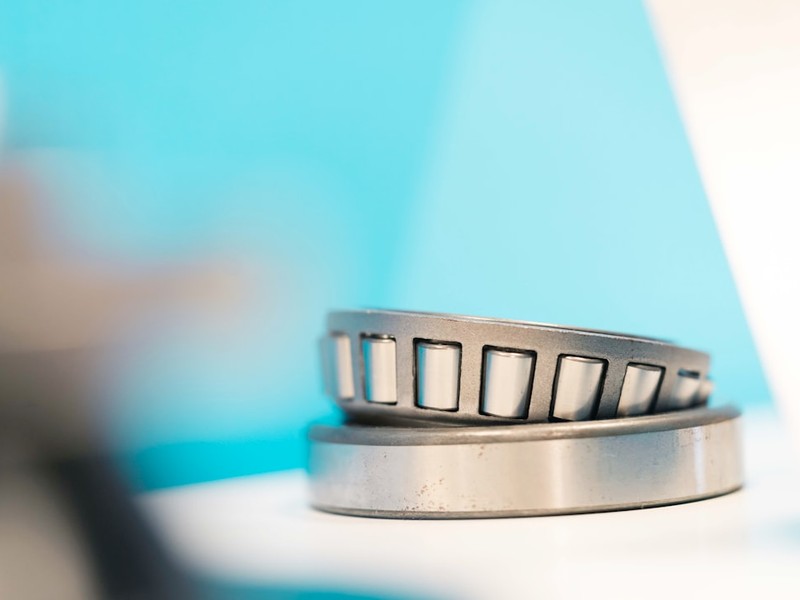
Precision Ball Bearing: The Core of Modern Industrial Performance
Introduction
In the world of industrial machinery, the bearing is often the unsung hero. While motors, gearboxes, and actuators get the spotlight, it is the precision ball bearing that quietly determines whether your equipment runs smoothly for years or fails prematurely. For engineers and procurement specialists, understanding the nuances of bearing design, material, and tolerance is not just a technical exercise—it is a critical factor in uptime, energy efficiency, and total cost of ownership.
At FIJ, we have spent decades refining the manufacturing processes that produce bearings capable of meeting the most demanding industrial applications. This article explores the core types of precision ball bearings, their unique characteristics, and how to select the right one for your specific needs.
What Makes a Ball Bearing “Precision”?
A precision ball bearing is distinguished from a standard bearing by its adherence to strict dimensional tolerances and running accuracy. These specifications, defined by organizations like ABEC (Annular Bearing Engineers Committee) or ISO, dictate the allowable deviation in bore diameter, outer diameter, width, and radial runout. A higher precision grade (such as ABEC 5 or ABEC 7) means tighter tolerances, which translates to less vibration, lower noise, and the ability to operate at higher speeds.
However, precision is not just about tolerances. It also encompasses the quality of the steel, the geometry of the raceways, the surface finish, and the consistency of the ball complement. A truly precision bearing is manufactured with a holistic approach, ensuring that every component works in harmony to minimize friction and heat generation.
Deep Groove Ball Bearings: The Versatile Workhorse
The most common type of precision ball bearing is the deep groove ball bearing. Its design features deep, continuous raceway grooves on both the inner and outer rings, allowing it to accommodate both radial and axial loads in either direction. This versatility makes it the default choice for a vast range of applications, from electric motors and pumps to conveyors and gearboxes.
Deep groove ball bearings are available in a variety of sizes and configurations, including single-row and double-row versions. They can also be manufactured with seals or shields to protect against contamination and retain lubrication. For most general-purpose industrial applications, a high-quality deep groove bearing offers an excellent balance of performance, cost, and reliability.
Self-Aligning Ball Bearings: Compensating for Misalignment
In real-world installations, perfect shaft alignment is often difficult to achieve. Shaft deflection, housing bore misalignment, or thermal expansion can cause the inner and outer rings to become misaligned. In such scenarios, a standard deep groove bearing would experience increased stress and premature failure. The self aligning ball bearing is specifically designed to solve this problem.
Self-aligning ball bearings feature a double-row design with a spherical raceway on the outer ring. This allows the inner ring, balls, and cage to pivot freely within the outer ring, automatically compensating for angular misalignment. This inherent flexibility reduces friction, lowers operating temperatures, and extends bearing life in applications where alignment cannot be perfectly maintained.
High Temperature Resistant Deep Groove Ball Bearings
Many industrial processes generate extreme heat, which can degrade standard bearing lubricants and cause dimensional changes in the steel. For these demanding environments, a high temperature resistant deep groove ball bearin is essential. These bearings are manufactured using special heat-stabilized steels that maintain their hardness and dimensional stability at elevated temperatures, often up to 350°C or higher.
In addition to the specialized steel, these bearings often use high-temperature lubricants, such as synthetic oils or solid lubricants like graphite or molybdenum disulfide. The cages may also be made from alternative materials like polyimide or brass, which can withstand prolonged exposure to heat without losing their mechanical properties. Applications include ovens, dryers, kilns, and exhaust fans.
Angular Contact Ball Bearings: For Combined Loads and High Speeds
When an application involves both significant radial and axial loads, or requires very high rotational speeds, angular contact ball bearings are often the preferred solution. These bearings are designed with raceways that are angled relative to the bearing axis, allowing them to support axial loads in one direction while simultaneously handling radial loads. They are commonly used in pairs, mounted back-to-back or face-to-face, to accommodate thrust loads in both directions.
FIJ offers both single row angular contact ball bearing and double row angular contact ball bearing configurations. Single-row bearings are ideal for applications like machine tool spindles, where high speed and rigidity are paramount. Double-row designs, on the other hand, can handle higher radial loads and provide greater stiffness, making them suitable for pumps, compressors, and gearboxes.
Key Differences Between Single and Double Row
- Load Capacity: Double-row bearings can accommodate higher radial loads and axial loads in both directions, while single-row bearings handle axial loads in one direction only.
- Speed Capability: Single-row bearings generally achieve higher rotational speeds due to their lower mass and reduced internal friction.
- Stiffness: Double-row bearings offer greater rigidity, which is critical for applications where deflection must be minimized.
- Mounting: Single-row bearings often require paired mounting (duplex) to handle bidirectional axial loads, while double-row bearings are self-contained.
Insulated Deep Groove Ball Bearings: Protecting Against Electrical Damage
Electric motors and generators are prone to a phenomenon known as electrical pitting or fluting. When stray electrical currents pass through the bearing, they create microscopic sparks that damage the raceways, leading to noise, vibration, and premature failure. The insulated deep groove ball bearing is engineered to prevent this by incorporating an electrically insulating coating on the outer or inner ring.
This coating, typically a ceramic or anodized aluminum oxide layer, breaks the electrical circuit and prevents current from flowing through the bearing. This not only extends the bearing’s life but also protects the motor’s windings and other components from damage. Insulated bearings are essential in variable frequency drive (VFD) applications, where high-frequency switching currents are common.
How to Choose the Right Precision Ball Bearing
Selecting the correct bearing for your application requires careful consideration of several factors. Here is a checklist to guide your decision:
- Load Conditions: Determine the magnitude and direction of radial and axial loads. For pure radial loads, a deep groove bearing is often sufficient. For combined loads, consider angular contact bearings.
- Speed Requirements: High-speed applications demand bearings with tighter tolerances, lighter cages, and optimized internal geometry.
- Operating Temperature: If temperatures exceed 150°C, you will need a high-temperature resistant bearing with appropriate lubricants.
- Misalignment: If shaft deflection or housing misalignment is likely, a self-aligning ball bearing is the safest choice.
- Electrical Environment: For motors and generators, especially those with VFDs, insulated bearings are non-negotiable.
- Lubrication and Sealing: Consider the operating environment. Sealed bearings are pre-lubricated and require no maintenance, while open bearings allow for custom lubrication and higher speeds.
The FIJ Advantage: Precision You Can Rely On
At FIJ, we understand that a bearing is more than just a component—it is a critical investment in your equipment’s performance. Our precision ball bearings are manufactured using advanced CNC grinding and honing processes, ensuring consistent geometry and superior surface finish. We use only high-grade bearing steel, and every batch undergoes rigorous quality control inspection to meet international standards.
Whether you need a standard deep groove bearing for a conveyor system or a specialized high-temperature, insulated bearing for a demanding kiln application, our engineering team can help you find the optimal solution. We also offer custom bearing solutions for OEMs and aftermarket replacements for a wide range of industrial machinery.
Conclusion
The precision ball bearing is a testament to the power of precise engineering. By understanding the unique capabilities of each bearing type—deep groove, self-aligning, high-temperature, angular contact, and insulated—you can make informed decisions that enhance the reliability, efficiency, and longevity of your equipment. Partner with FIJ for your bearing needs, and experience the difference that true precision makes.
For a complete overview of our product range, visit our precision ball bearing category page or explore the specific subcategories to find the exact bearing for your application. For any technical questions, our team is ready to assist you in selecting the right bearing for your unique requirements.