
7014 angular contact ball bearing 70×110mm
News & Updates
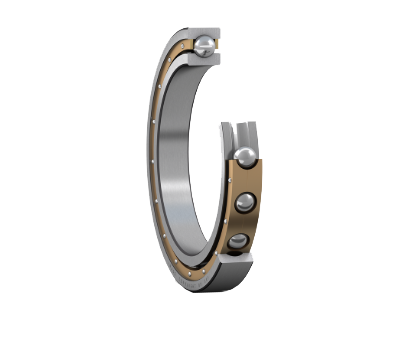
7014 angular contact ball bearing 70×110mm
The 7014 angular contact ball bearing, super-precision, is listed here as 70×110×40 mm and 1.12 kg. Read that line as a compact installation brief: a 70 mm cylindrical bore, a 110 mm outside diameter, a 40 mm width, an open execution, and a hybrid angular contact design intended for controlled axial and radial loading rather than general-purpose rotation. The following sections translate those numbers into application fit and the checks worth making before a purchase order.
At a glance
- The 7014 angular contact ball bearing, super-precision, is listed here as 70×110×40 mm and 1.12 kg. Read that line as a
- The bore sets the shaft seat; the outside diameter sets the housing seat; the width sets the axial space available. In t
What the 70×110×40 mm Envelope Means on the Machine
The bore sets the shaft seat; the outside diameter sets the housing seat; the width sets the axial space available. In this bearing the bore is 70 mm, so the shaft must be machined and measured as a precision spindle seat, not a general shaft. The 110 mm outside diameter leaves a reasonably stiff housing wall in many spindle noses, while the 40 mm width is the first item to verify against the drawing.
| Parameter | Listed value | Practical reading |
|---|---|---|
| Designation | 7014 CE/HCP4ADBAVR521 | Full code carries cage, precision, arrangement and variant details. |
| Bore, d | 70 mm | Shaft seat; check fit, roundness and shoulder squareness. |
| Outside, D | 110 mm | Housing seat; verify bore tolerance and alignment. |
| Width, B | 40 mm | Axial envelope; confirm arrangement and drawing. |
| Weight | 1.12 kg | Handling and spindle mass consideration. |
| Cage | Phenolic resin or carbon fibre reinforced PEEK, outer-ring centred | Must suit speed, temperature and lubrication. |
| Sealing | Open | Clean lubrication system and contamination control required. |
| Temperature | -30 to 110 °C | Continuous envelope, not a transient limit. |
The 1.12 kg mass is modest for a spindle-sized bearing, but it still matters during handling and in high-acceleration axes. The open execution means there is no integral seal to protect the rolling contacts; clean lubrication and a sealed housing strategy are part of the bearing selection, not an afterthought. The stated -30 to 110 °C range should be treated as a continuous operating envelope for the chosen lubricant and cage, not a licence to run at the limit without thermal checks.
Where a Super-Precision Hybrid Angular Contact Bearing Fits
This bearing type is most at home in precision machine tool spindles, high-speed grinding heads, boring and milling spindle noses, metrology rotary axes, and laboratory test stands where stiffness and repeatable running accuracy matter. The hybrid construction, with ceramic rolling elements running against steel rings, reduces centrifugal load at speed and can help with heat generation when the lubrication and preload are matched to the duty.
Angular contact bearings carry combined radial and axial load, but a single row accepts axial load in one direction. If the application reverses axial thrust, the design normally uses a matched pair or an arrangement that shares the load. The open, outer-ring-centred cage is suited to oil or grease systems that are specified for the speed and temperature; it is not a dirt-tolerant bearing for conveyor or agricultural duties.
Operating Conditions That Reward This Bearing — and Those That Do Not
Use it where speed is high enough to justify precision, where preload can be controlled, and where the housing and shaft are stiff and aligned. Good candidates run with filtered oil or a specified grease, maintain a stable temperature, and need low runout more than high shock capacity.
Poor candidates are applications with impact loading, frequent axial reversal without a matched arrangement, coolant contamination, inadequate lubrication, or continuous temperatures above the stated 110 °C ceiling. Misalignment is also costly: an angular contact spindle bearing does not forgive a housing bore that is out of round or a shaft shoulder that is not square.
Short version: this is a precision spindle component, not a heavy-duty roller replacement. If the load is primarily radial and the speed is moderate, a simpler bearing may be the better commercial choice.
Preload, Speed, and Rigidity: The Three-Way Balance
Preload raises stiffness and improves repeatability, but it also raises contact stress and heat. Speed increases centrifugal effects and demands better lubrication. Rigidity requirements push toward higher preload; thermal limits push back. For a 7014 in a spindle, the useful answer is rarely the highest preload available—it is the preload that keeps the operating temperature stable across the speed range.
Contact angle and cage choice matter as well. The phenolic or PEEK cage must suit the speed, temperature and lubrication method. Because the listed width is 40 mm, confirm whether the item is a single bearing, a matched set, or a special wide design; do not infer the arrangement from the 70/110 bore and outside diameter alone. The suffix string is part of the specification, not decoration.
Selection Checks Before You Release a Purchase Order
Run through the checks below with the drawing, duty cycle and lubrication plan open. Use the full designation and cross-check it against a bearing number reference when the suffix is unfamiliar.
| Check | Confirm |
|---|---|
| Envelope | d 70 mm, D 110 mm, B 40 mm, and shoulder or fillet dimensions. |
| Arrangement | Single, duplex pair, face-to-face, back-to-back or universal; axial direction. |
| Preload | Preload class, starting torque, axial rigidity. |
| Cage and speed | Phenolic or PEEK cage, speed rating, lubrication method. |
| Fits | Shaft and housing tolerances, thermal growth, roundness. |
| Environment | Contamination, coolant, humidity, -30 to 110 °C range. |
| Number | Full code 7014 CE/HCP4ADBAVR521 and any drawing-specific variant. |
A purchase order should also state lubrication, mounting orientation and required running accuracy if these are not fixed by the drawing. If the application is a repair, compare the old bearing width and shoulder positions before accepting a catalogue equivalent; a 40 mm envelope may include a matched set or a special design.
Installation and Lubrication Notes That Protect Accuracy
Cleanliness is part of precision. Mount the bearing in a clean area, use the correct fitting tools, and apply mounting force to the ring that is being fitted—never through the rolling elements. For a spindle bearing, check shaft and housing shoulders for squareness and burrs before assembly; a small burr can distort the rings and ruin the runout you paid for.
Lubrication should be chosen before the bearing is ordered, not after. Grease quantity, oil viscosity, filtration and feed method all interact with preload and speed. After mounting, run the spindle through a controlled warm-up and monitor temperature and vibration. If the temperature climbs faster than expected, stop and check preload, lubrication and alignment rather than simply increasing the cool-down time.
Matching the Bearing to Your Application and Requesting a Quote
The 7014 suits precision spindle work where a 70 mm shaft, 110 mm housing and 40 mm axial envelope fit the machine, and where the duty calls for controlled preload, high running accuracy and combined load capability. It is less suitable for dirty, shock-loaded or high-temperature duties outside the stated range. For comparable super-precision options, review the Angular contact ball bearings, super-precision category and compare contact angle, cage, preload and sealing against your duty.
Send the drawing, speed range, load directions, lubrication plan and required preload class to FIJ Bearing. A practical review should confirm the suffix, arrangement and operating margin before quotation. Request a quote from FIJ with your 7014 application details and we will help you check the selection rather than simply match a number.