
6304DDUC4 Single row deep groove ball Bearing — 20×52mm
News & Updates
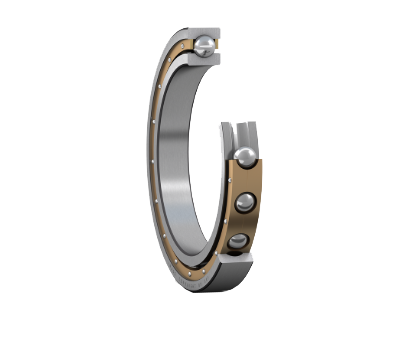
6304DDUC4 Single row deep groove ball Bearing — 20×52mm
When selecting replacements for high-speed rotational assemblies, the 6304DDUC4 delivers more consistent torque transmission than generic shielded variants often found in aftermarket catalogs. Engineers frequently attempt direct swaps between open designs and double-sealed configurations without accounting for friction coefficient shifts. This sealed variant minimizes lubricant escape while blocking particulate ingress, which directly impacts service life under continuous axial or radial loading.
At a glance
- Specification: Value
- Model Number: 6304DDUC4
- Boundary Dimensions: 20 × 52 × 15 mm
- Basic Dynamic Load Rating (Cr): 17016 N
Many facility managers default to cheaper alternatives that sacrifice contact pressure stability, leading to premature vibration signatures. By maintaining strict boundary dimensions, the unit ensures predictable engagement with existing shaft housings without requiring machining modifications or shimming adjustments. Understanding how this component behaves alongside traditional open-style counterparts reveals why dimensional fidelity dictates long-term operational reliability.
Dimensional Tolerances and Housing Compatibility
Precision manufacturing requires exact adherence to ISO metric standards, especially when integrating components into compact drive trains. The bore diameter measures precisely twenty millimeters, allowing secure interference fits on rotating spindles while retaining smooth mounting procedures. Outer ring measurements remain fixed at fifty-two millimeters, providing ample contact area for stationary support structures.
Overall width stays within fifteen millimeters, leaving adequate clearance for adjacent mechanical linkages without increasing overall package footprint. These controlled parameters simplify inventory management across multi-site operations where maintenance teams previously struggled to match legacy parts. Replacing worn units demands confidence that substitute components will seat correctly without inducing binding or excessive preload.
| Specification | Value |
|---|---|
| Model Number | 6304DDUC4 |
| Boundary Dimensions | 20 × 52 × 15 mm |
| Basic Dynamic Load Rating (Cr) | 17016 N |
| Basic Static Load Rating (Cor) | 7788 N |
| Reference Speed | 9941 r/min |
| Cage Configuration | Pressed Steel Cages |
| Unit Weight | 0.145 kg |
Load Capacity and Rotational Limits in Practice
Structural integrity during peak operation relies heavily on rated capacity margins rather than maximum theoretical thresholds. Radial dynamic loading reaches seventeen thousand ninety-six newtons before fatigue initiation becomes a concern, while static resistance holds steady at seven thousand seven hundred eighty-eight newtons during shock events. Maintenance schedules benefit from knowing these thresholds exceed typical consumer appliance requirements but remain well below heavy industrial crusher loads.
The reference speed limitation sits at nine thousand nine hundred forty-one revolutions per minute, establishing a clear boundary for thermal management and lubrication breakdown prevention. Engineers must verify actual operating conditions against these benchmarks to avoid accelerated raceway wear. The 6304DDUC4 maintains stable thermal expansion rates even when subjected to fluctuating ambient temperatures, making it suitable for variable-duty applications.
Selecting components aligned with measured duty cycles prevents costly downtime caused by mismatched performance expectations. Operating continuously near the upper velocity threshold requires verified cooling provisions, as excessive heat degrades both the lubricant and the steel contact surfaces. Proper load distribution calculations should always precede procurement decisions to guarantee extended service intervals.
Cage Construction and Sealing Interchangeability
Material selection directly influences friction characteristics and maintenance intervals in demanding environments. Pressed steel cages provide robust retention for individual rolling elements while resisting deformation under moderate impact forces. Unlike machined brass or polymer alternatives, stamped steel offers superior cost efficiency without compromising structural rigidity during sustained cycling.
The double-contact seals work synergistically with the cage geometry to maintain optimal grease consistency throughout extended service periods. Facility technicians evaluating swap options should prioritize units featuring identical sealing methodologies to preserve dust exclusion capabilities. Improper substitution often introduces misaligned lip angles that accelerate contamination pathways.
Verifying cage material compatibility remains essential when transitioning between manufacturer-specific supply chains. Organizations managing large inventories benefit from centralized tracking systems that log component histories and streamline future sourcing decisions. Access our comprehensive Single row deep groove ball bearings category to explore related configurations designed for comparable mechanical duties.
Procurement Strategy and Replacement Protocols
Establishing reliable interchange protocols reduces lead times and prevents production halts during unexpected equipment failures. Technicians consulting a standardized bearing number reference can quickly identify compatible substitutes without guessing dimensional equivalencies. The following checklist simplifies field verification before procurement:
- Confirm cylindrical bore matches target shaft diameter without deviation
- Verify outer ring circumference aligns with housing recess specifications
- Check seal type compatibility against environmental exposure levels
- Validate cage construction matches existing lubrication delivery methods
- Assess static and dynamic ratings against calculated application loads
Maintaining accurate technical documentation accelerates troubleshooting and supports continuous improvement initiatives. Standardizing component selections across multiple machinery platforms yields measurable reductions in spare parts overhead. Engineering teams that enforce strict interchange guidelines minimize human error during routine overhaul procedures. Every replacement decision should prioritize proven performance metrics over speculative compatibility claims. Partnering with a specialized manufacturer ensures access to rigorously tested components backed by documented engineering data. FIJ Bearing supplies verified replacement units engineered to meet stringent international quality benchmarks.
Request a quote from FIJ to secure certified interchange equivalents for your next maintenance cycle.